
Free Printables for Kids – Worksheets, Mazes & Fun Learning Activities

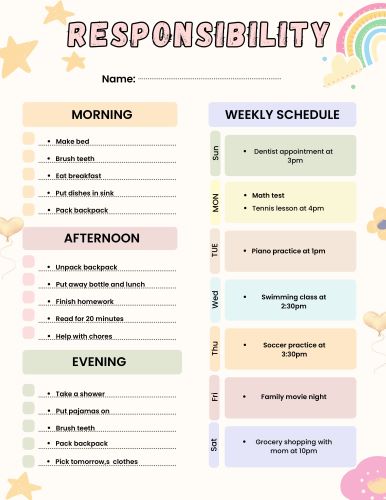
Free chore chart worksheets that build good habits without the daily battle
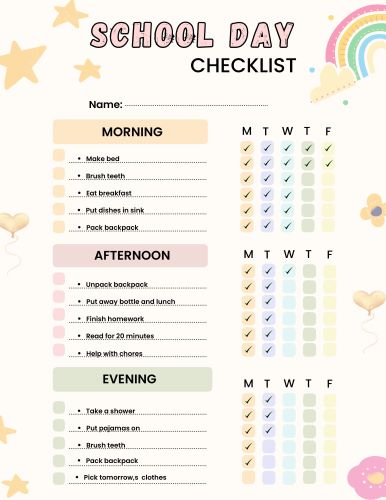
Every family knows the scene: you ask your child to tidy their room, they look at you blankly, you repeat yourself three times, and somehow it still doesn’t happen. This free 19-page printable PDF was designed specifically to break that cycle. Instead of relying on reminders, the chart becomes the authority — kids check it themselves, tick off what they’ve done, and feel genuinely proud of the result.
The bundle covers everything from daily and weekly chore charts to morning and evening routine checklists, a school day planner, reward charts, allowance tracking, behaviour monitoring, and screen time management — all in one coherent system designed for children ages 4–10. Every page uses large visual checkboxes so even pre-readers can follow along independently.
What’s inside the free 19-page chore chart PDF
The worksheets are organised into practical, everyday tools your family can start using from the first print:
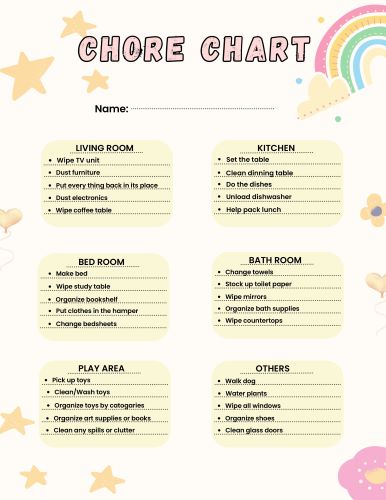
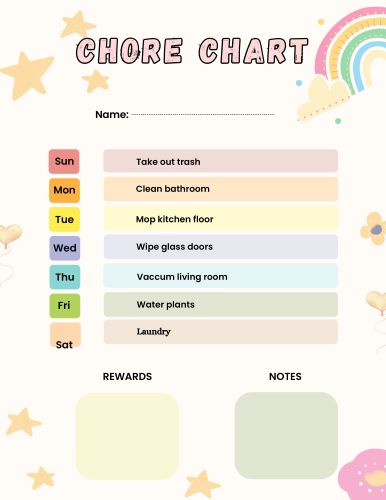
- Chore Charts — Daily & Weekly Versions. Both formats are included so you can choose what works best for your household. The daily version keeps tasks front and centre every morning; the weekly chart lets children see the full picture and plan ahead.
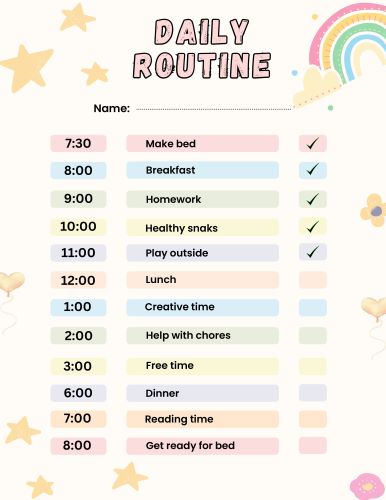
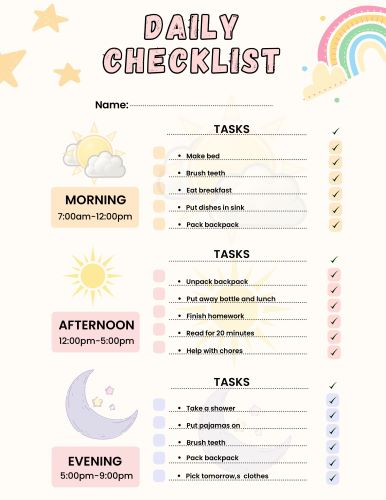
- Daily Routine Checklists — Morning, Afternoon & Evening. Three separate checklists cover each part of the day. The morning list walks children through getting dressed, brushing teeth, and packing their bag. The evening list guides them from homework to bedtime without prompting.
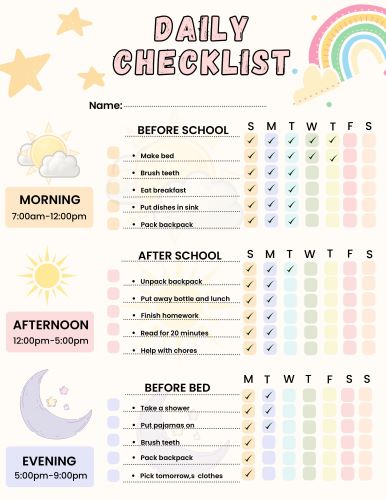
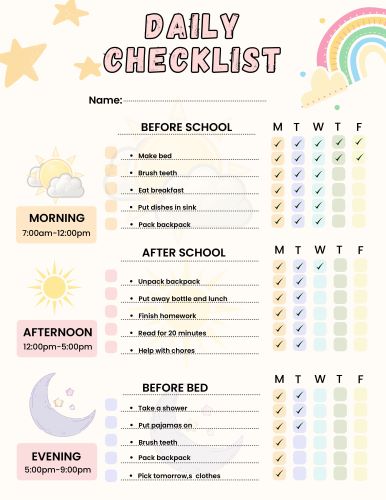
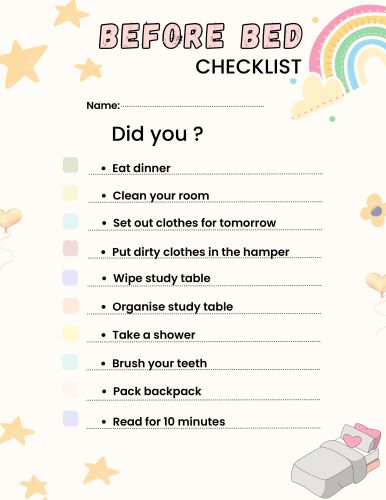
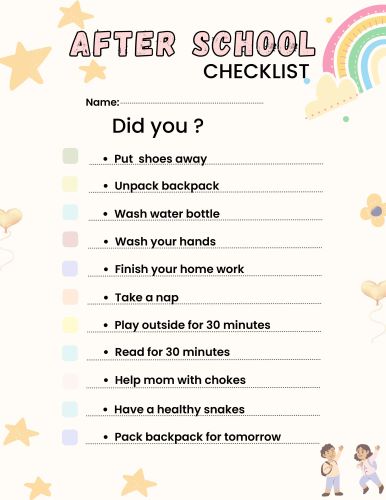
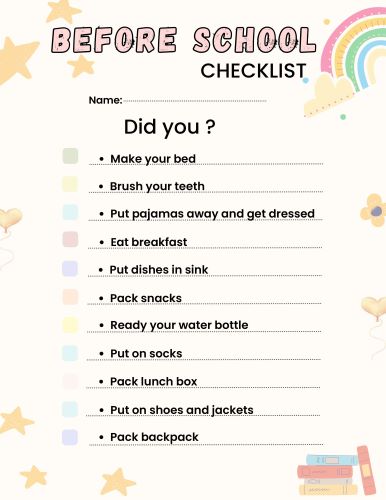
- Before School & After School Checklists. Transition times are the hardest to manage. These focused checklists cut through the chaos at the door and give children a five-minute reset when they arrive home.
- School Day Planner. A simple one-page planner helps older children (ages 7–10) track homework, tests, and activities for the week ahead. Great for building early planning skills.
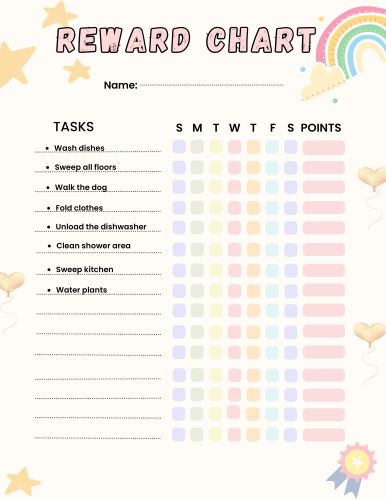
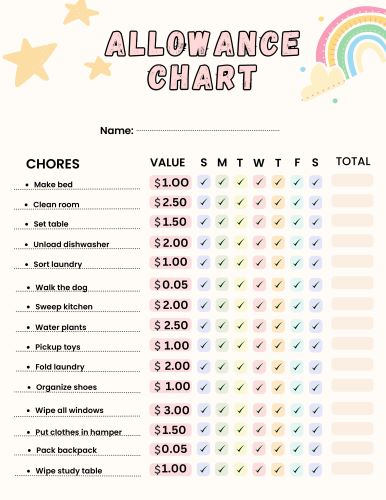
- Allowance & Reward Charts. Tie chores to a reward system without cash getting complicated. The allowance tracker makes contributions visible; the reward chart lets children work towards a goal they actually care about.
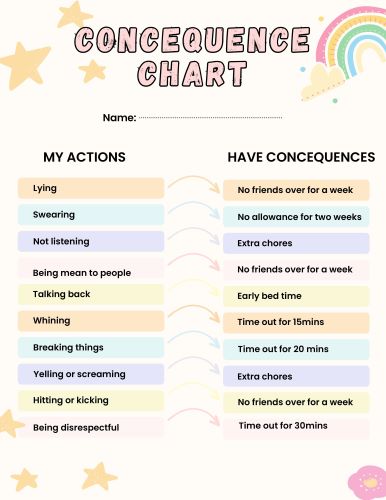
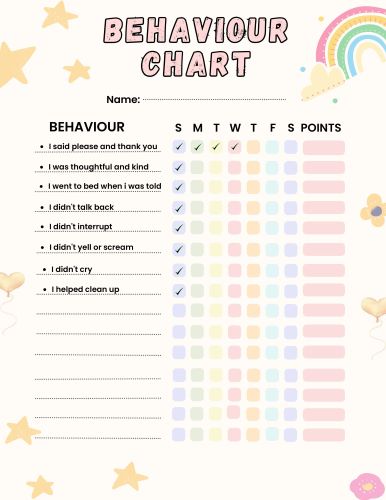
- Behaviour Chart. A week-at-a-glance behaviour tracking sheet that parents and caregivers can use to recognise positive behaviour patterns and address recurring difficulties calmly.
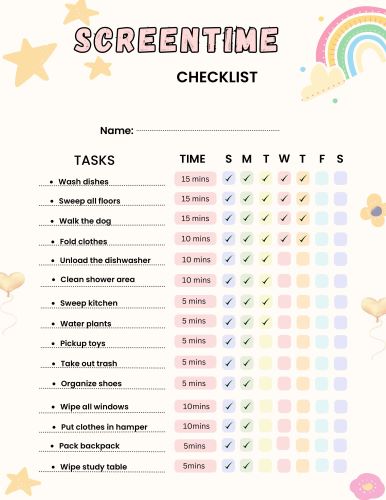
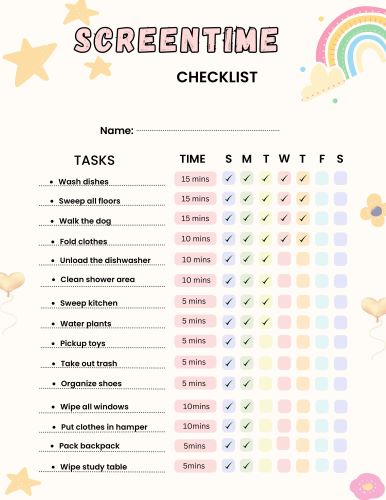
- Screen Time Checklist. Set clear expectations around devices before arguments start. Children tick off their screen time limit and any conditions (homework done, outdoor time taken) before screens come out.
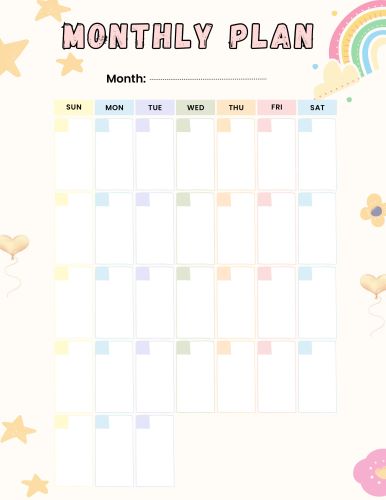
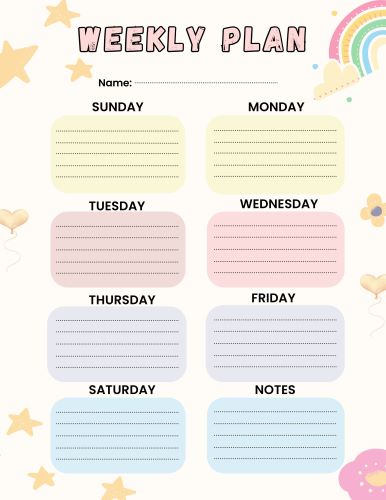
- Weekly Planner & Monthly Plan. Two overview sheets for families who want to plan further ahead — especially useful during school holidays or busy term-time periods.
Why routine charts work — and how to introduce them without resistance
Research in child development consistently shows that predictable daily routines reduce anxiety, improve behaviour, and help children develop the self-regulation skills they’ll rely on throughout school and adult life. The key is that the structure needs to feel like theirs, not something imposed on them.
A few things that make the transition easier:
- Let children decorate their chart. Stickers, coloured pencils, writing their own name at the top — any personalisation increases buy-in significantly.
- Start with the morning routine only. One chart at a time is less overwhelming than introducing the whole system at once. Once the morning routine becomes automatic, add the evening checklist.
- Focus on ticking, not perfection. The goal is the habit, not immaculate results. Praise the completed tick more than you comment on how well the chore was done.
- Laminate and use a dry-erase marker. Reusable sheets reduce paper waste and mean children reset their own chart each morning — another small act of ownership.
- Put the chart where the action happens. Morning checklists belong in the bedroom or bathroom, not the kitchen drawer. Proximity is everything.
The first week is the hardest. By week three, most families find children are checking the chart before they’re asked.
Who these worksheets are for
The bundle is designed to work across a wide range of ages and settings:
- Parents of children ages 4–10 who want a calmer morning routine and less daily negotiation over chores
- Homeschool families who need a daily structure tool that integrates school tasks with household responsibilities
- Primary school teachers looking for classroom responsibility charts, morning routines, or behaviour tracking sheets
- Single parents and co-parents where a consistent visual system helps children manage transitions between households
- Childminders and after-school programs where a shared visual checklist helps groups of children manage their own transitions
The simpler chore and routine pages suit children from age 4. The school day planner and weekly overview sheets are pitched at ages 7–10. That means the bundle stays useful as your child grows, and different pages work simultaneously for siblings at different stages.
Looking for more free resources? Browse our full printable templates and worksheets collection — new free downloads added regularly.
🆕 Keep the fun going — try a printable scavenger hunt
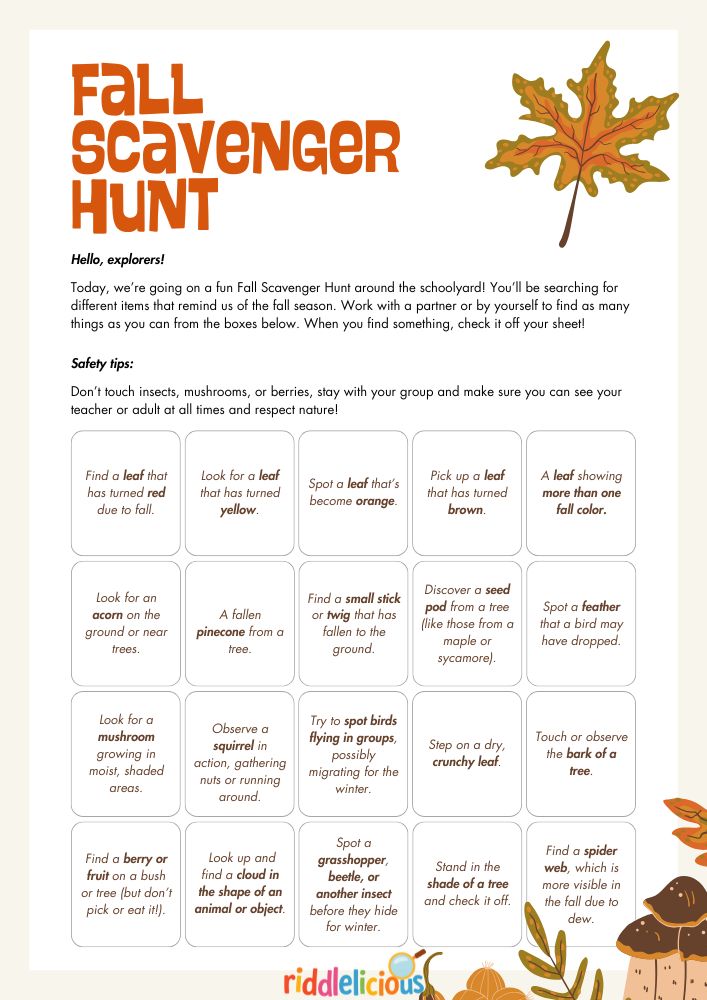
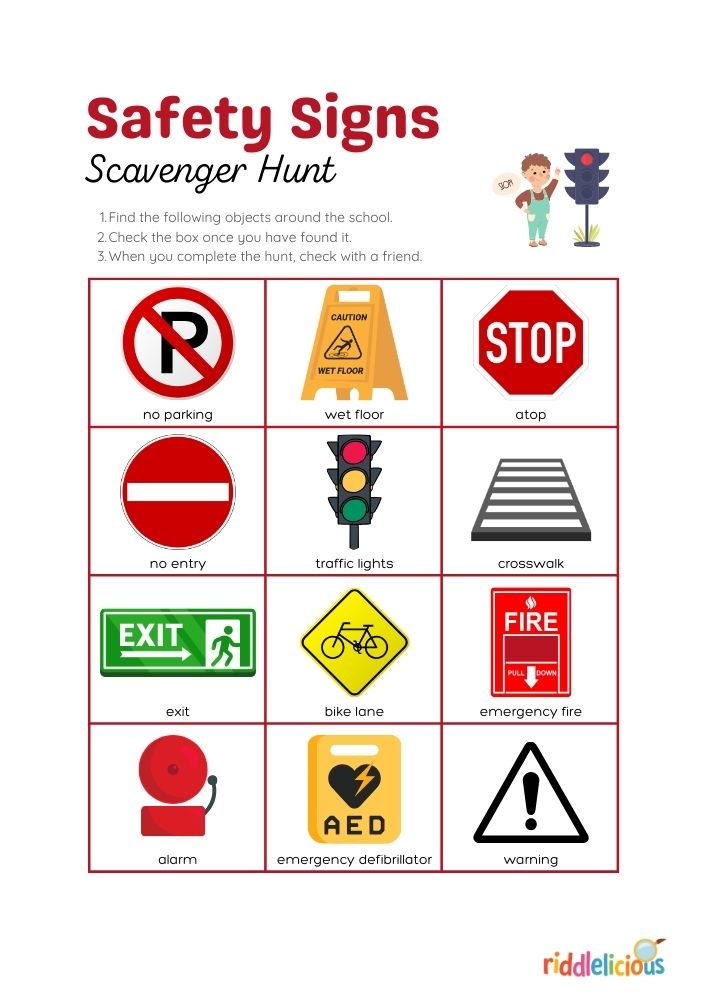
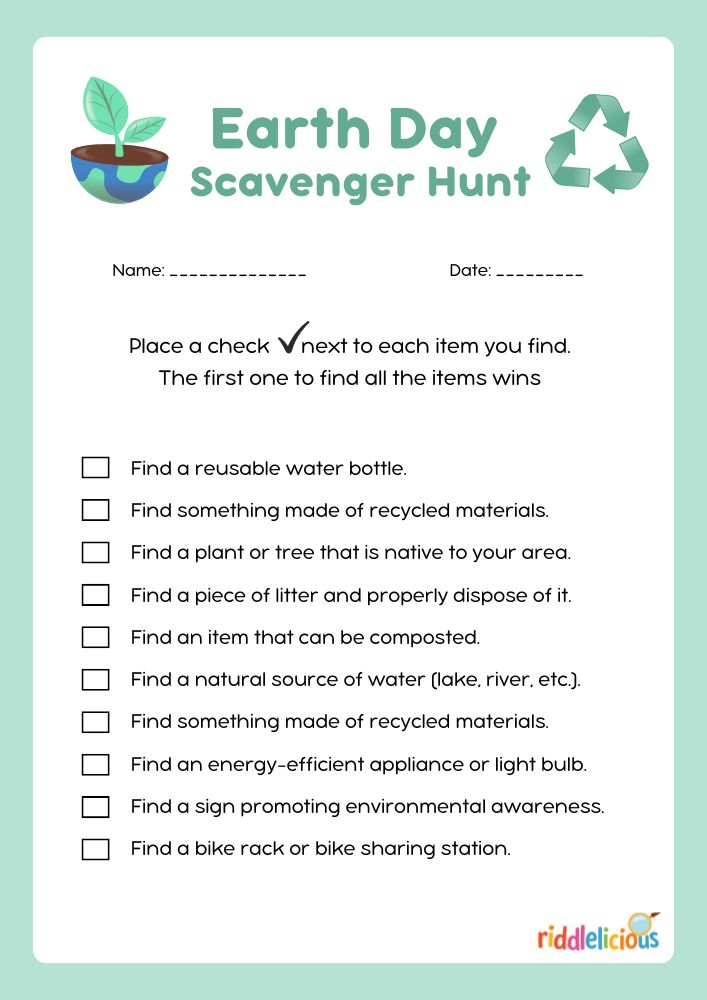
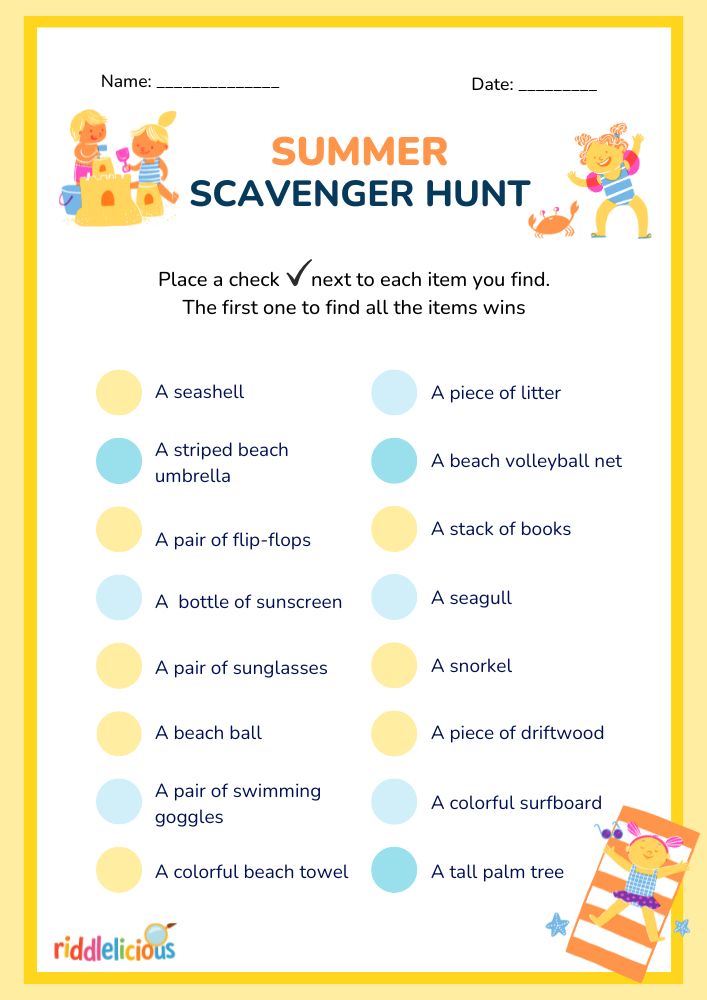
Once the daily routine is running smoothly, reward your child’s hard work with a story-driven adventure they’ll talk about for weeks. Our printable scavenger hunts come with clue cards, a treasure map, a mission story, and a finish-line certificate — everything you need for birthdays, outdoor days, holiday activities, and rainy-day adventures. Instant PDF download, ages 4–12.
🎉 Birthday parties • 🌿 Outdoor adventures • 🌞 Holiday themes • 📚 Story-driven missions
More Free Printables for Kids
Browse our full library of free coloring pages, activity sheets, and printable worksheets — all instant PDF downloads, no sign-up required.